It’s funny when someone says a photograph is beautiful, because not everyone will have the same perception. This is because the idea of beauty is a very subjective one. Beauty is a term which cannot truly be quantified in any real manner. What society has done is imprint certain standards of beauty based on a few peoples opinions. If you look at the picture of the pink flower below, you might say it’s beautiful – but why is it beautiful? Is it because most people would say that, or is it because it is colourful. A brown flower would likely be considered not-so-beautiful. Is it because the flower smells nice? (which obviously you cannot tell from a photograph). The second flower below, a Frangipani is simpler, but may be beautiful because of its decadently sweet, floral, fragrance. Could beauty be an amalgam of visual and olfactory senses?
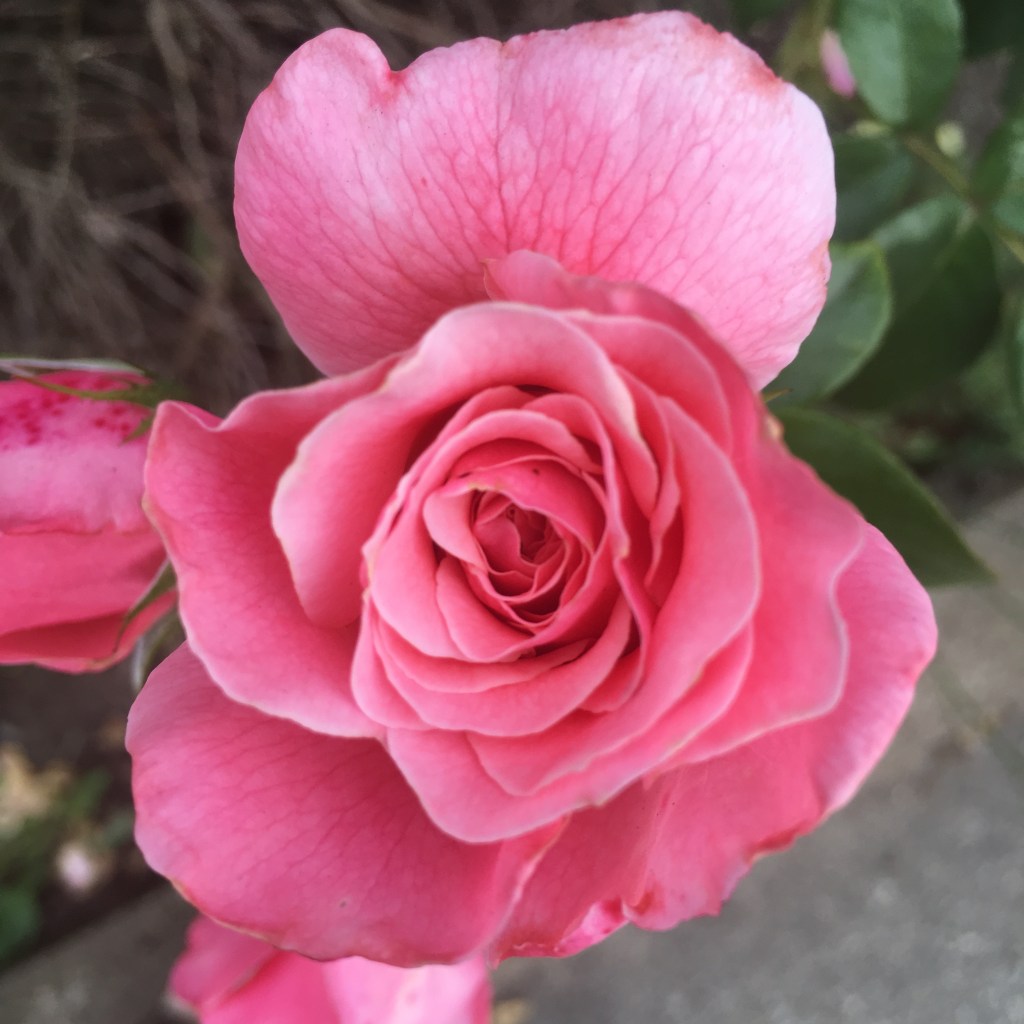
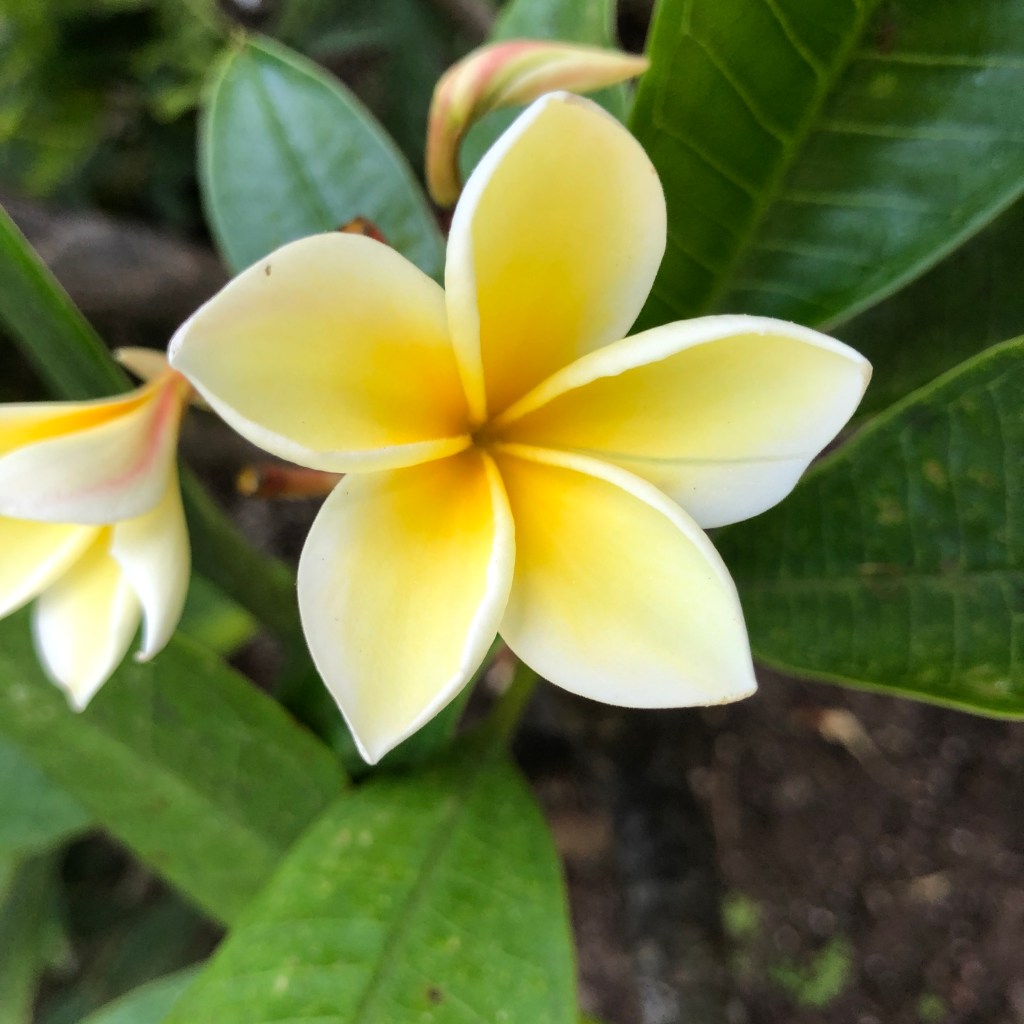
For most of human existence, beauty has not really mattered that much (well, except maybe for those who had wealth, I mean gold is shiny, which likely contributes to its allure). Most humans were concerned with survival. That is not to say that aesthetics did not play a role in the things they made, but let’s face it, catching food took precedence over making things look pretty. Beauty may have existed more in the natural world. In fact it may be these natural patterns that exist in nature that has lead to humans being somewhat hardwired to experience beauty.
“Beauty is no quality in things themselves: It exists merely in the mind which contemplates them; and each mind perceives a different beauty. One person may even perceive deformity, where another is sensible of beauty; and every individual ought to acquiesce in his own sentiment, without pretending to regulate those of others.”
Hume, David, “Of the Standard of Taste”, Essays Moral and Political, p.136 (1757)
Beauty has to do with the idea of aesthetics, which is essentially the appreciation of beauty. The term “aesthetics” was introduced in 1750 by German philosopher Alexander Gottlieb Baumgarten who defined taste, in its wider meaning, as the ability to judge according to the senses, instead of according to the intellect. When we say something is beautiful, we are expressing an aesthetic judgment. When you pick a raspberry from a bush, you tend to choose the bright red, firm raspberries, with no apparent visual defects, those that are most beautiful (of course these is nothing to say they will taste good from pure visual assessment alone).
Beauty can be objective and universal, as certain things are beautiful to everyone. Perhaps flowers are a good example, or things in the natural world. However beauty in the human-made world is more subjective and individual. It is no different with our other senses. A delicious food to some, may taste repugnant to others. Another good example is art. Some people can find a piece of art beautiful, while others find it loathsome. Beauty truly is in the eye of the beholder. Each person’s perception of beauty is also influenced by their environment. In 1951 artist Robert Rauschenberg produced White Painting, basically white latex house paint applied with a roller and brush on two canvas panels. Some will find beauty in this nothingness, many won’t (well because there is nothing there).
The same is true of photographs, where beauty truly is subjective, mainly because photographs inherently represent the visual perspectives of the photographer, not necessarily those of the viewer. In some cases what is viewed in a photograph may not have the same beauty as the scene in real life, perhaps due to the lack of depth (i.e. flatness), or the misinterpretation of colour. In other cases, the photograph tells a different story of beauty to the real world. For instance colour may not be quintessential to beauty. The absence of colour in B&W images is not to everyone’s taste, yet it helps to tell a story in a way that means the colour does not distract the viewer from the image’s inner beauty, perhaps highlighting the expressions and textures of the scene.
There are many elements to producing a beautiful photograph, but at the end of the day, beauty is very much tied to the perceptions of the viewer. And unlike the physical world where we can harness all out senses to decipher our understanding of beauty, in visual media we have only our eyes.
 Crafting Pixels