When digital cameras started to supplant analog ones, everyone likely thought that the manual focus interchangeable lenses of yore would be relegated to dark closets, attics, and the few who still used film. It became rare to find these lenses, except perhaps languishing in the “used” section of a camera store, often gathering dust. Digital cameras used digital lenses, and as such there was very little need for analog lenses. There were also few means of adapting these lenses for use on DSLR’s, largely because of the lack of mount adapters, but also because of compatibility issues with mirror-based cameras, both full frame and crop-sensor. This changed with the advent of the mirrorless camera which having a shorter distance to the sensor allowed the adoption of lens adapters.
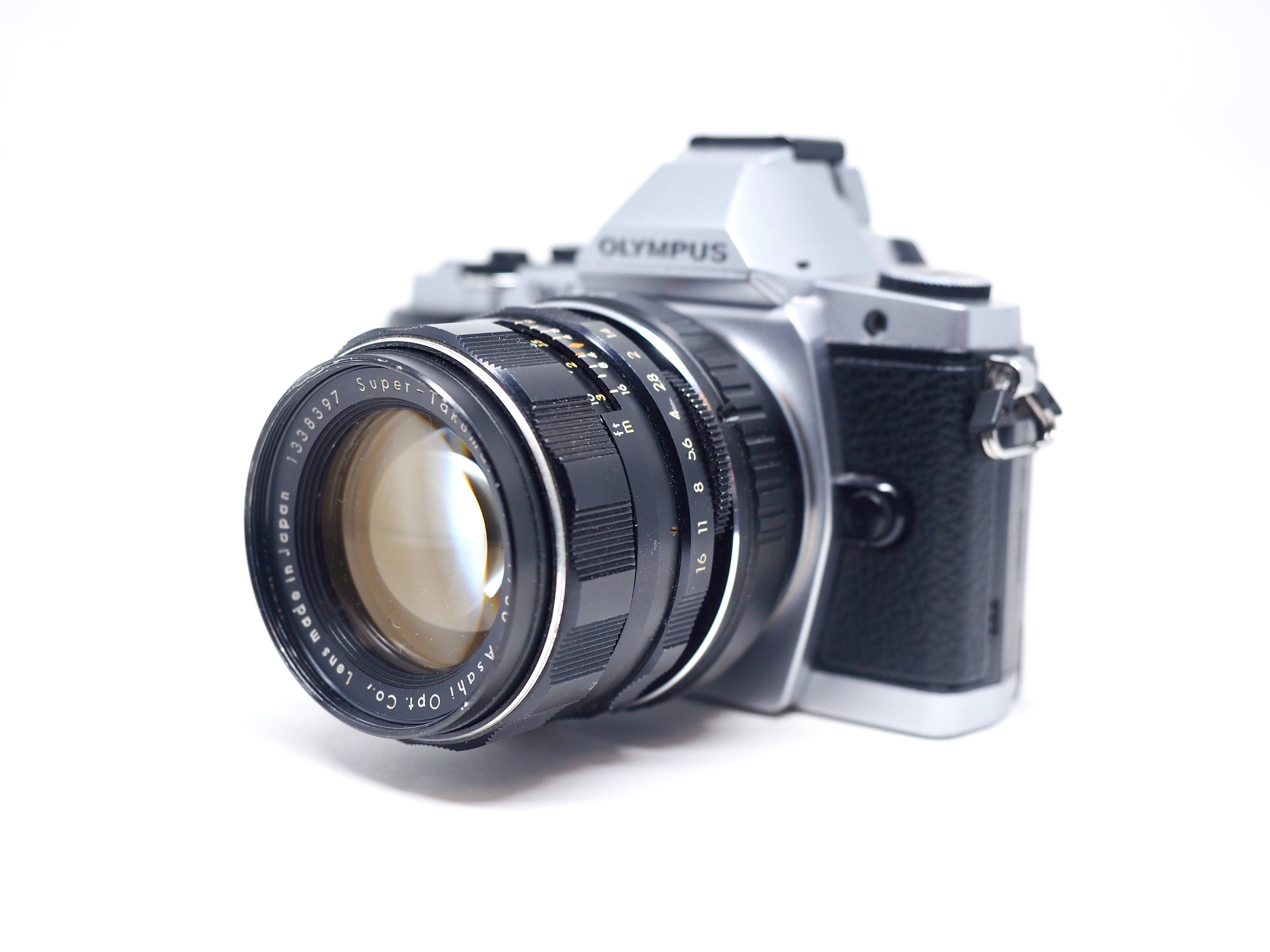
So what is a vintage lens? This is somewhat of a loaded question because there is no definitive answer. One of the defining characteristics of a vintage lens is that it is manual, i.e. it relies on both manual focus, and aperture setting. But there are a lot of manual lenses available. There are lenses available from the 1930’s, 40’s and even the 19th century. But many of these suffer from not being easy to adapt to digital cameras. In all likelihood, anything pre-digital could be construed as vintage, however I hesitate to include the pre-digital lenses with electronic components in them, e.g. auto-focus, because most cannot be easily converted for use on a digital camera. But in the end, vintage really means interchangeable lenses made for cameras that used film, and specifically 35mm film cameras, either SLR or rangefinders.
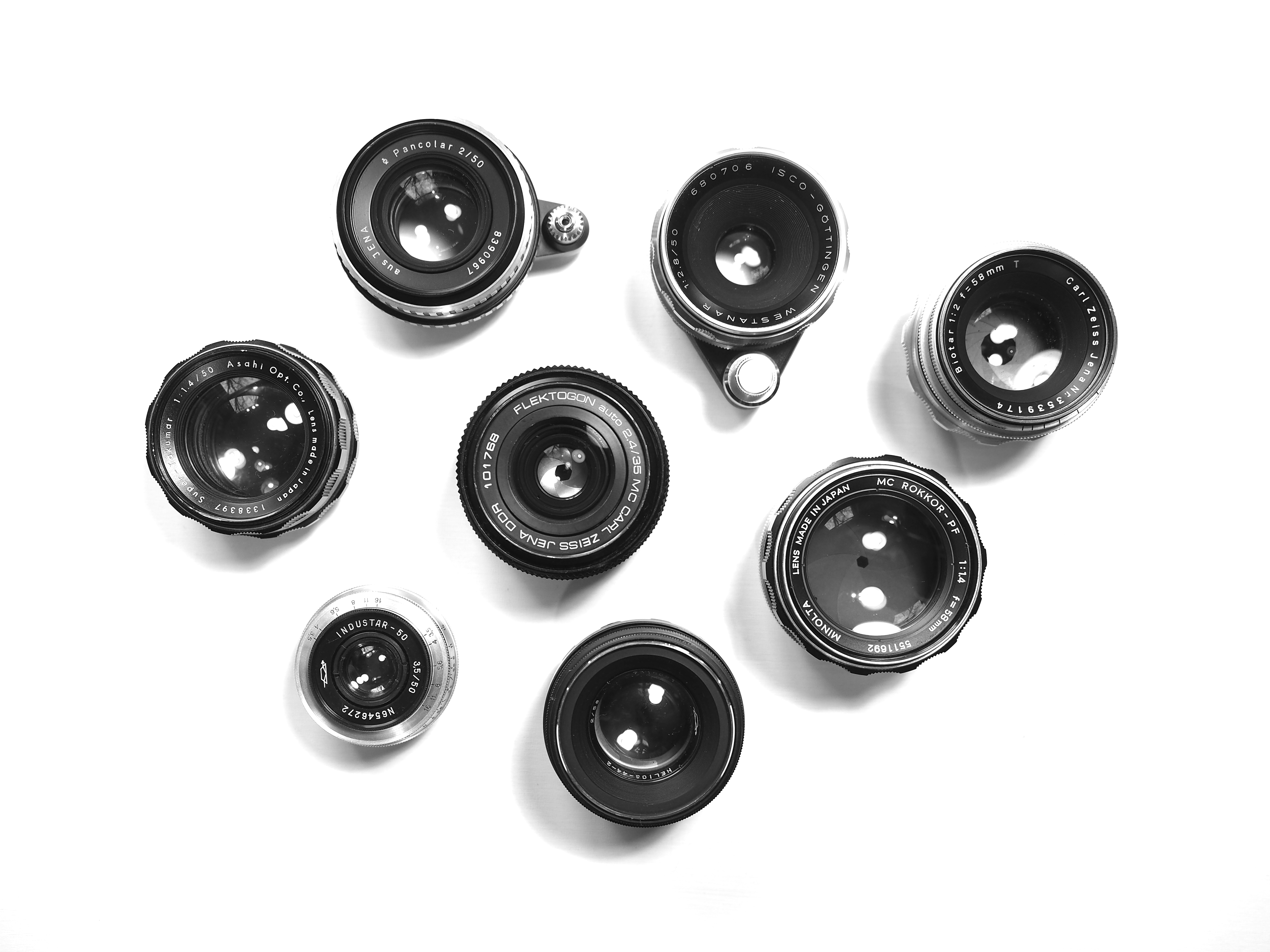
There are millions of vintage lenses in the world today, the majority of these interchangeable lenses hail from the period 1950-1985, predominantly made in Japan and Europe. Some brands have a large ubiquity in the world of vintage lenses, such as Asahi Takumar, while others such as Minolta’s Rokkor have a more subdued presence, e.g. the Rokkor 58mm f/1.4 lens an example of a star performer. Vintage lenses come in various focal lengths, but many are in the “normal” range 45-58mm. They can be fast, i.e. have a large aperture, aesthetically pleasing, e.g. made of chrome, or just come from a company with an exceptional optical reputation. All vintage lenses have their own character, from optical anomalies and aberrations, to colour rendering, and boken, and the out-of-focus qualities. Many of the Carl Zeiss Jena lenses such as the Flektogon 35mm f/2.4 is renowned for how it renders out-of-focus regions. At the opposite end of the spectrum, is the Jupiter 9, an 85mm f/2 lens made in the USSR – it has a wonderful 15 blade aperture, and what some people call “dreamy bokeh”.
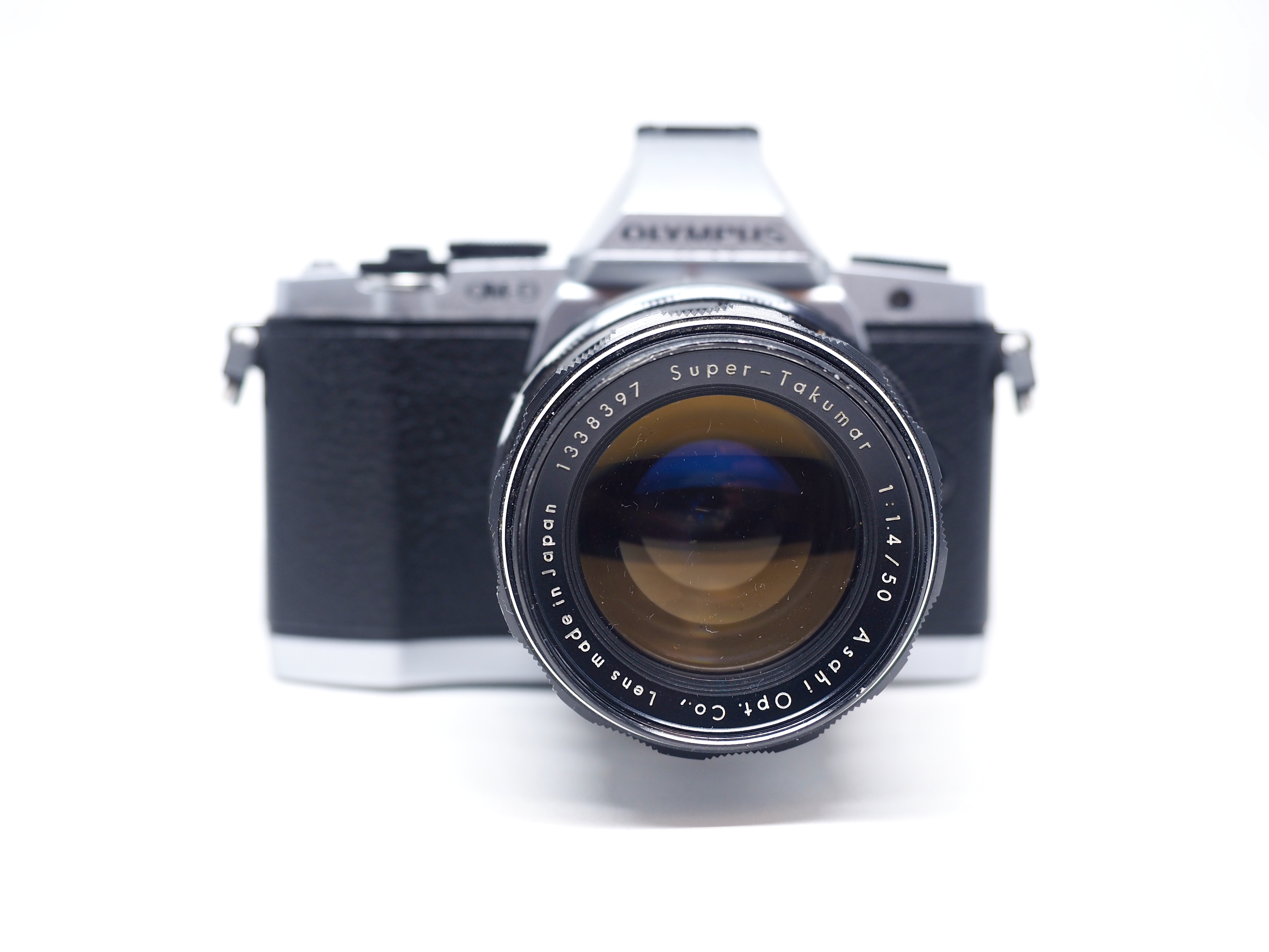
In some cases a particular lens may have been made for only a couple of years, in limited quantities, and in other cases a lens may have evolved over a dozen or more years, with slight changes in lens formulae, glass composition, and mounts. For example Asahi Pentax produced a huge number of Takumar branded lenses in the 1960s. Some like the 8-bladed Super-Takumar 50mm f/1.4, a Planar-type lens, almost have legendary status, the optics are that good. The lens evolved over the years from the legendary 8-element Super-Takumar (1964-65) to the thoriated 7-element Super-Takumar (1965-71), Super-Multi-Coated Takumar (1971-72) and SMC Takumar (1972-75). At more than 50 years old, many of these lenses still pass muster. So why choose a vintage lens?
This series will focus on vintage lenses. Over the course of the next few months we will explore various aspects of vintage lenses, from questioning why they are of interest to digging down into the intricacies of choosing a lens, adapters, and how to examine a lens prior to purchase. This won’t be a review of specific lenses (that may come later), but more of a broad overview, providing links to extra information that might be of interest.
 Crafting Pixels