Image enhancement involves improving the perceived quality of an image, either for the purpose of aesthetic appeal, or for further processing. Therefore you are either enhancing features within an image, or suppressing artifacts. The basic forms of enhancement include:
- contrast enhancement: enhancing the overall contrast of an image, to improve dynamic range of intensities.
- noise suppression: reducing the effect of noise contained within an image
- sharpening: improving the acuity of features within an image.
These relate to both monochromatic grayscale and colour images (there are additional mechanisms for colour images to deal with enhancing colour). The trick with these enhancement mechanisms is determining when they have achieved the required effect. In image processing this is often a case of the rest being “in the eye of the beholder”. A photograph who’s colour has been enriched may seem pleasing to one person, and over saturated to another. To illustrate, consider the following example. This image is an 8-bit image that is 539×699 pixels in size.
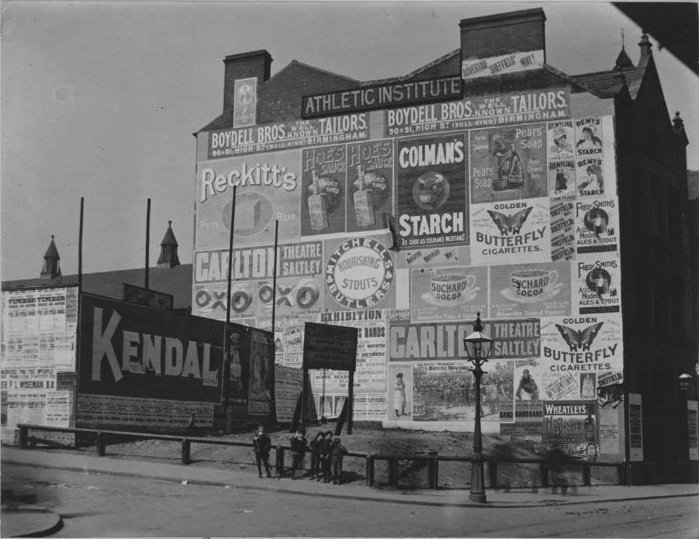
Here is the histogram of its pixel intensities:
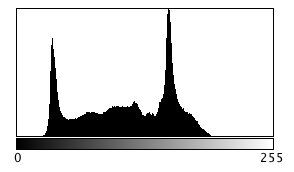
From both the image and histogram, it is possible to discern that the image lacks contrast, with the majority of gray intensities situated between values 25 and 195. So one of the enhancements could be to improve its contrast. Here is the result of a simple histogram stretching:
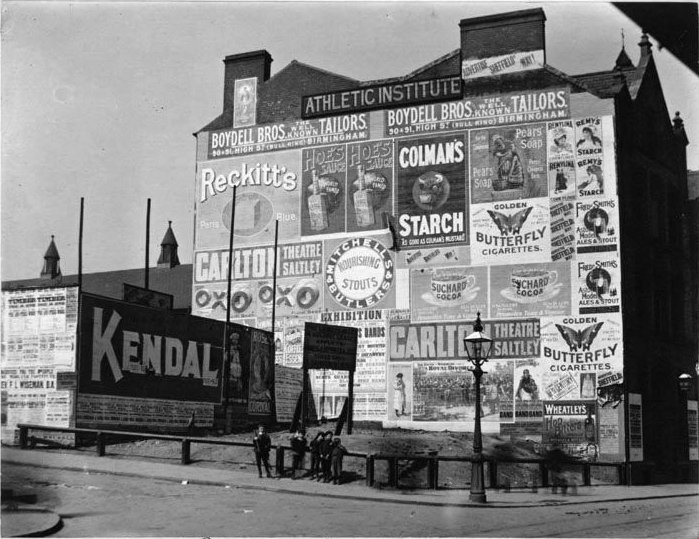
It may then be interesting to smooth noise in the image or, sharpen the image to enhance the letters in the advertising. The sub-image extracted from the above shows three different techniques.

 Crafting Pixels